PROJECT OVERVIEW
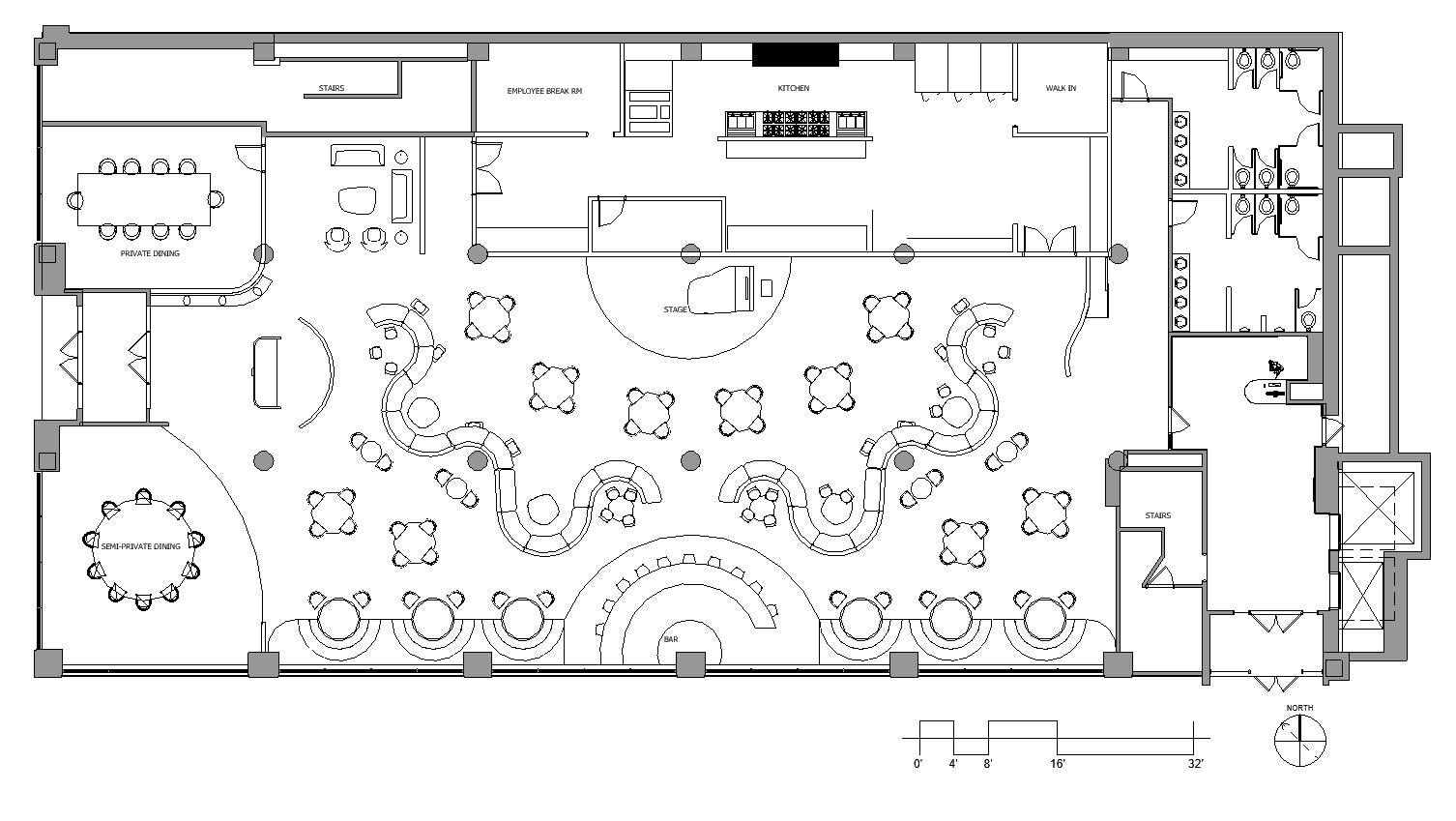
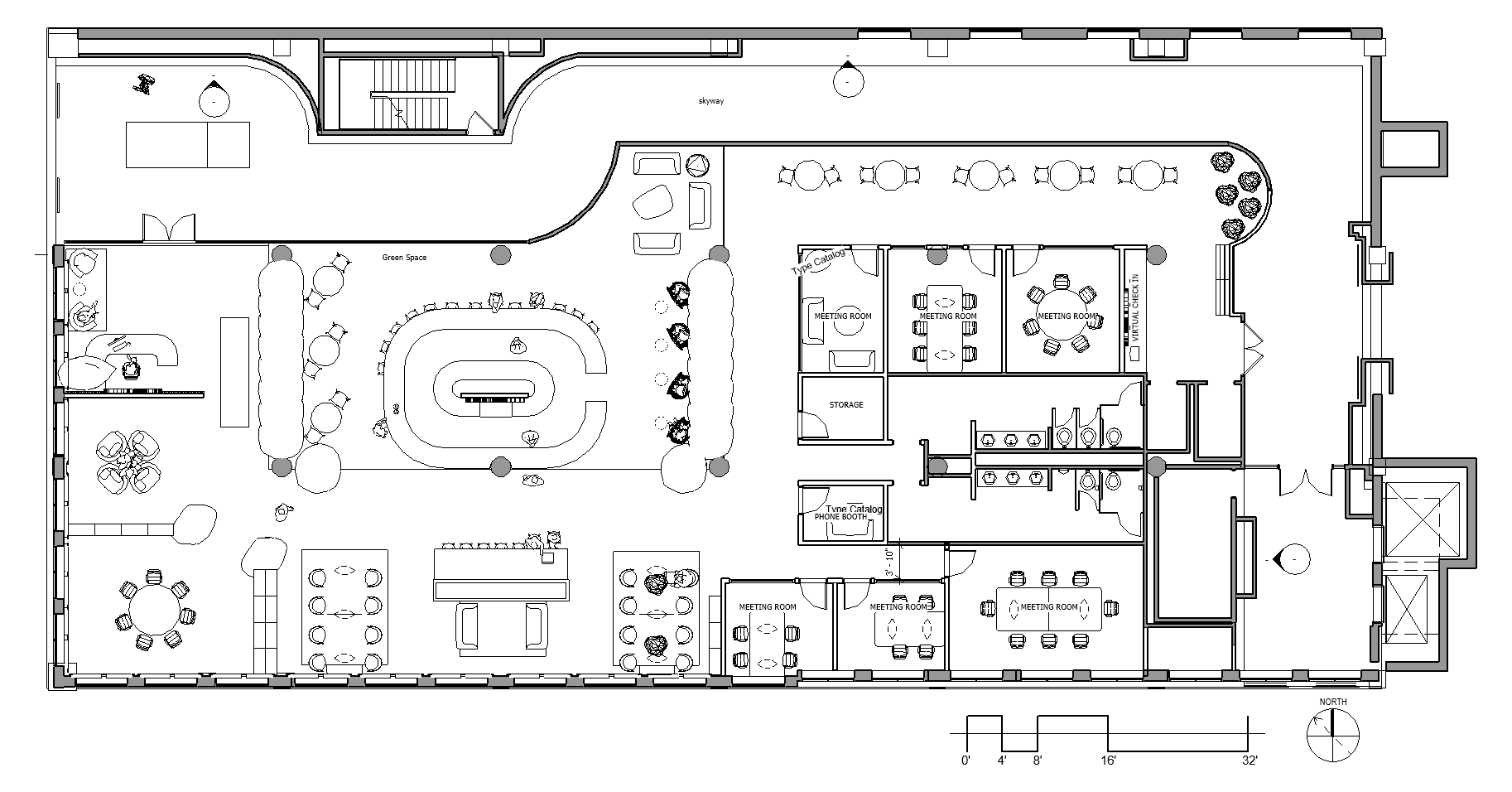
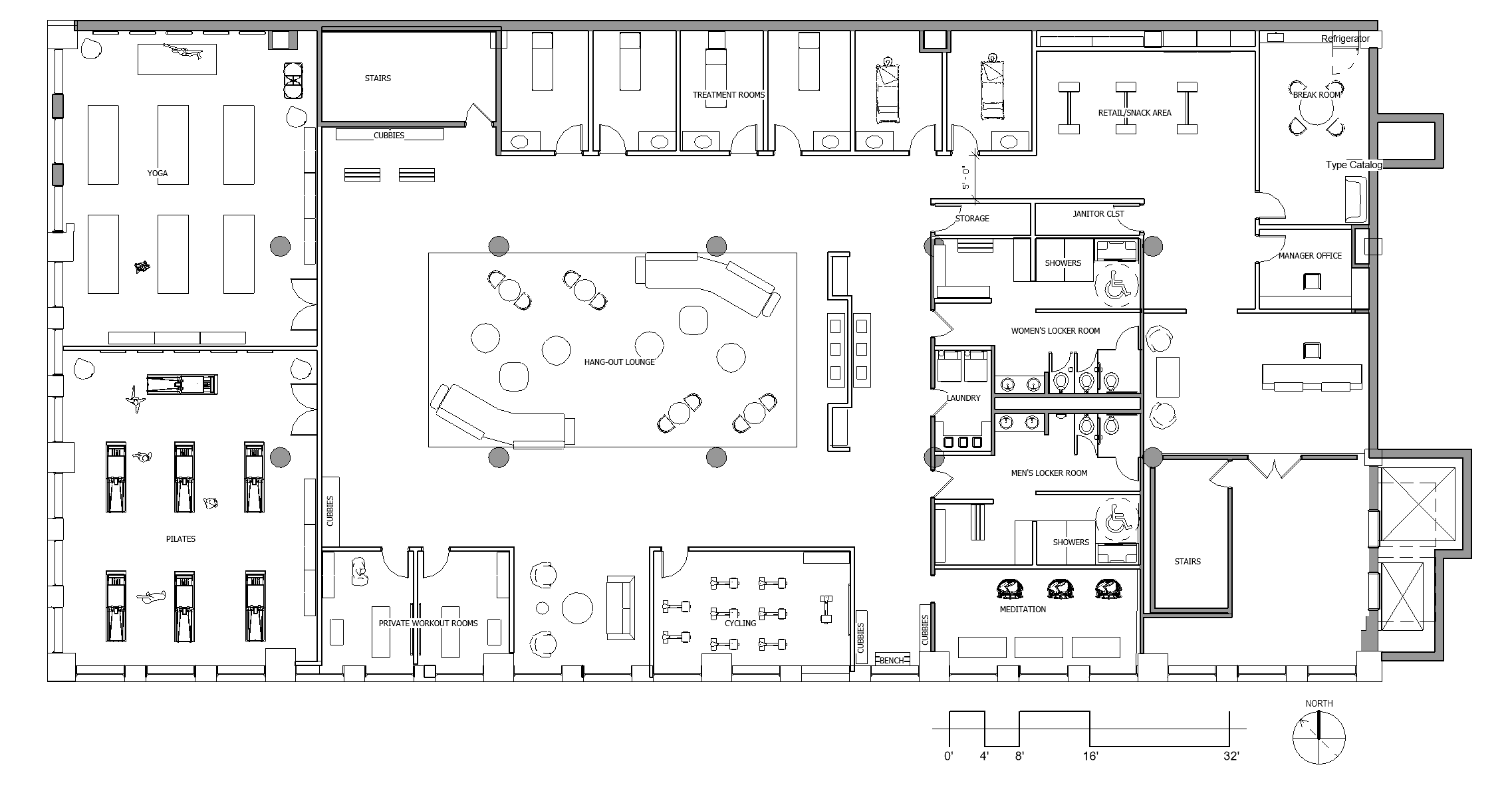
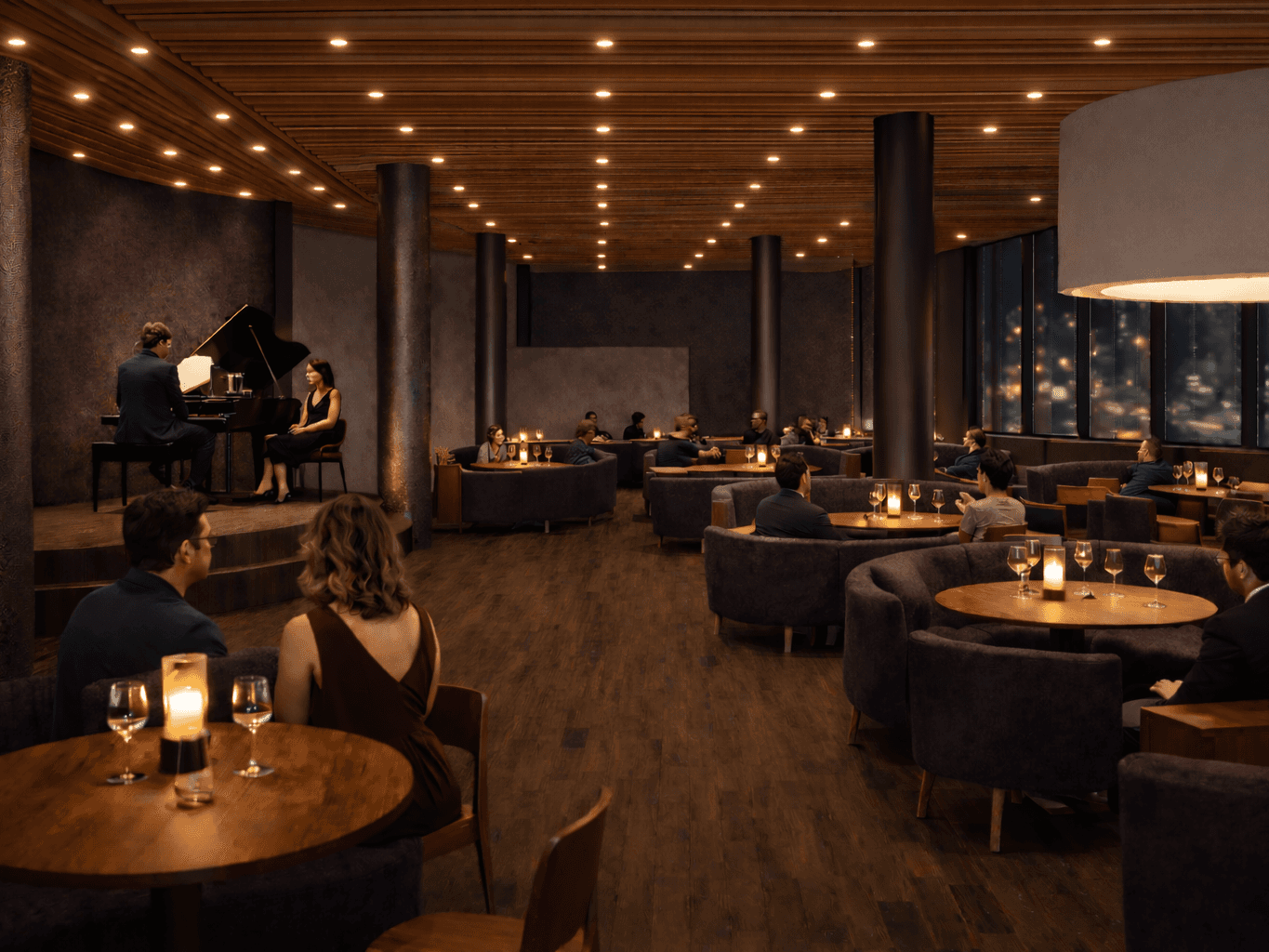
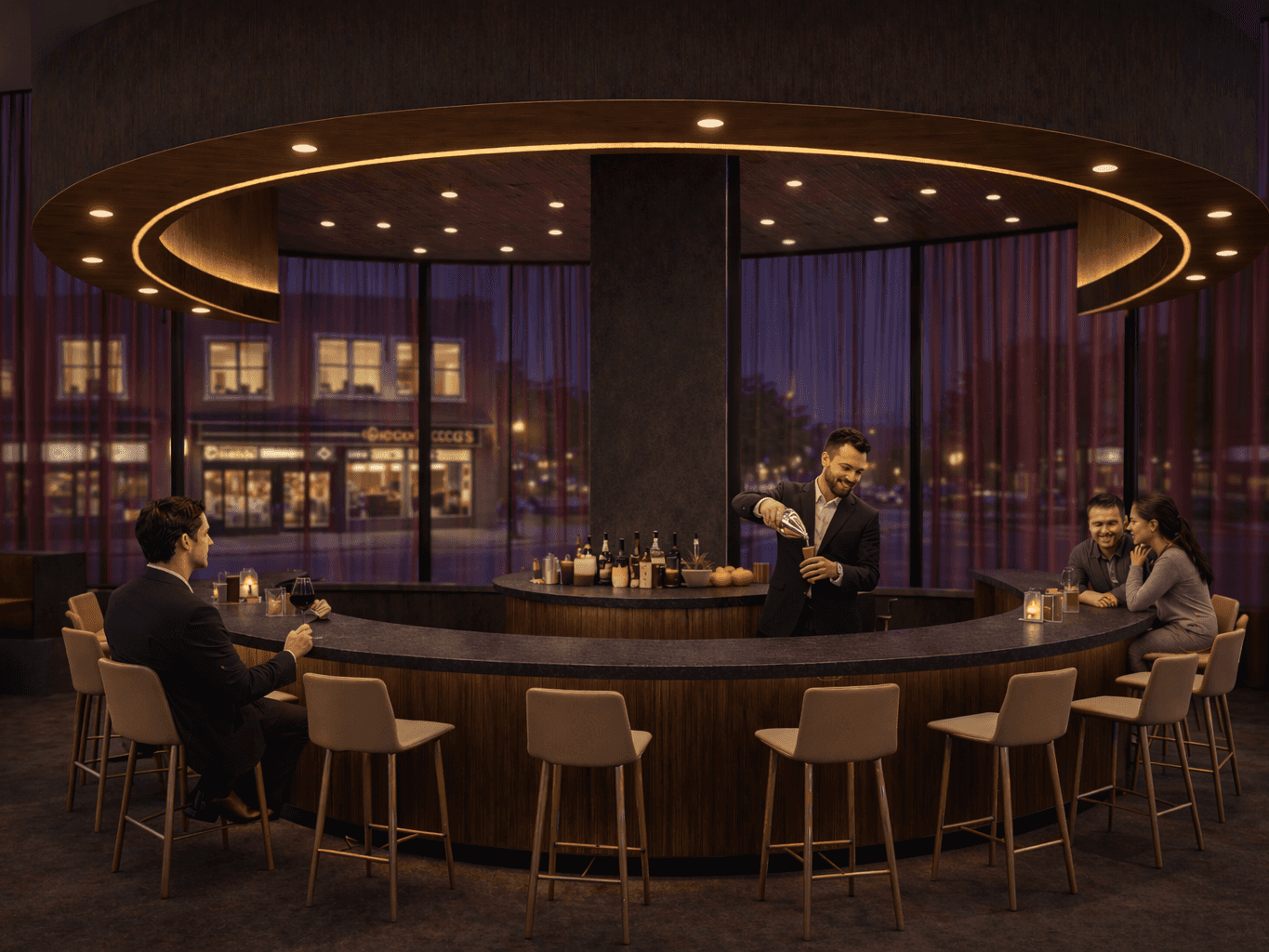
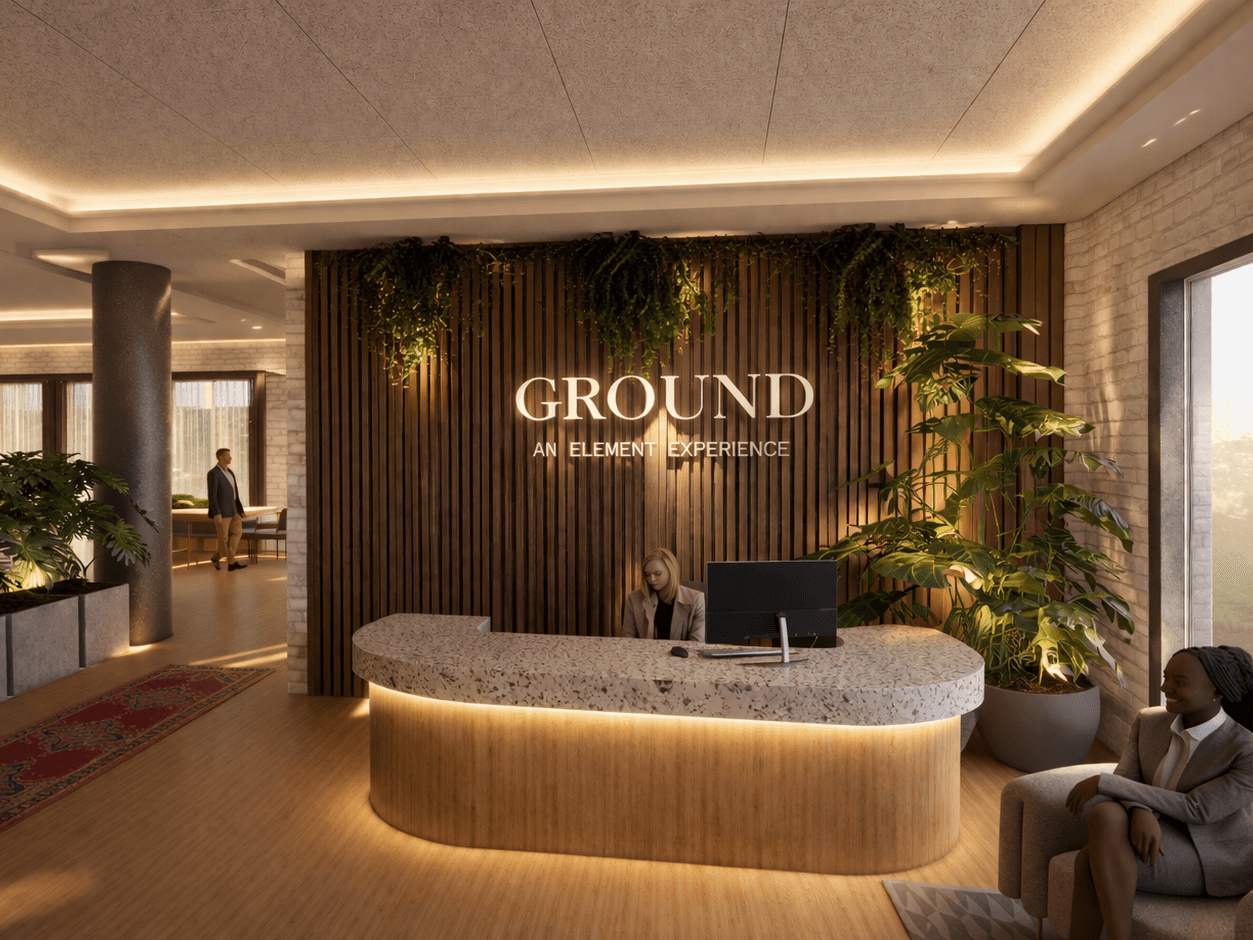
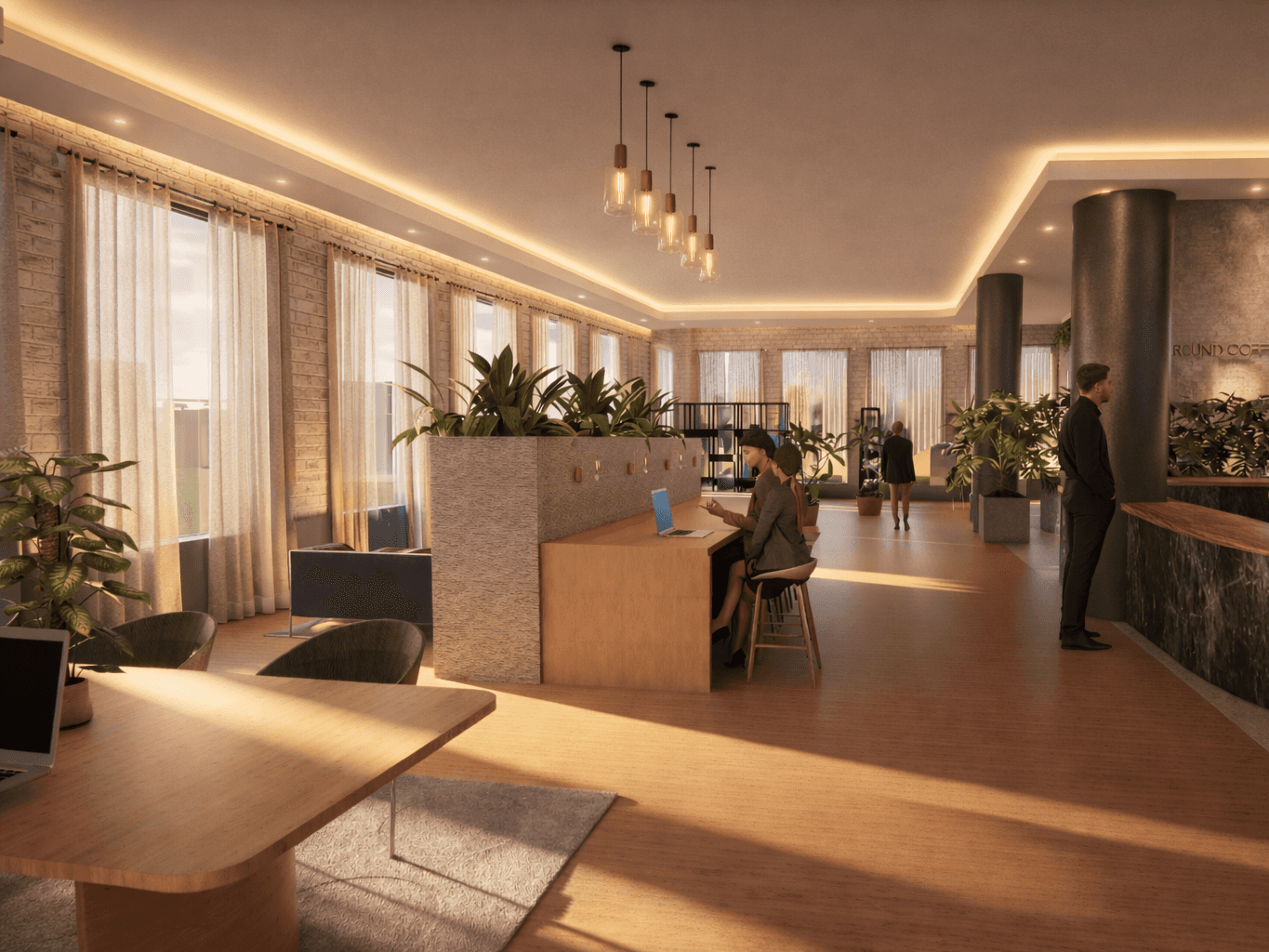
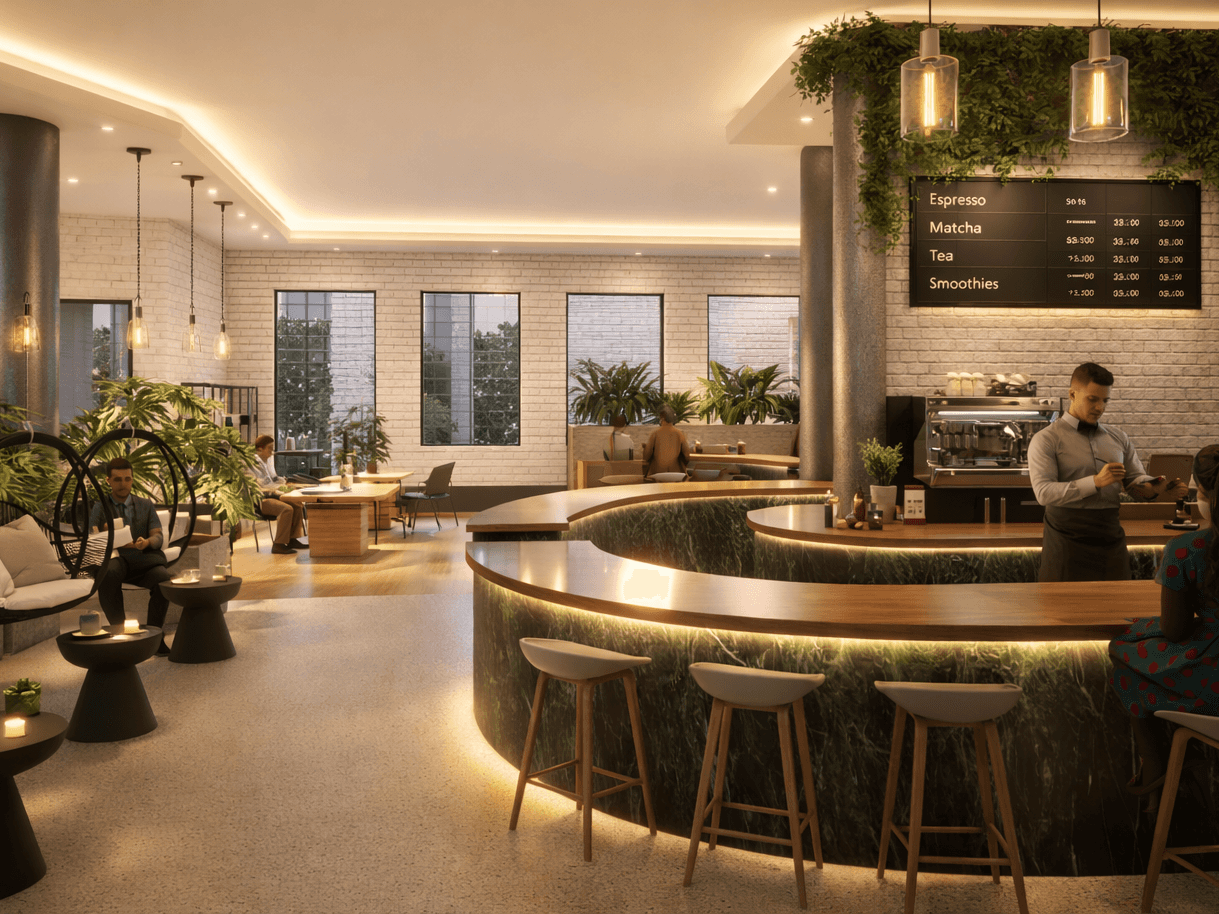
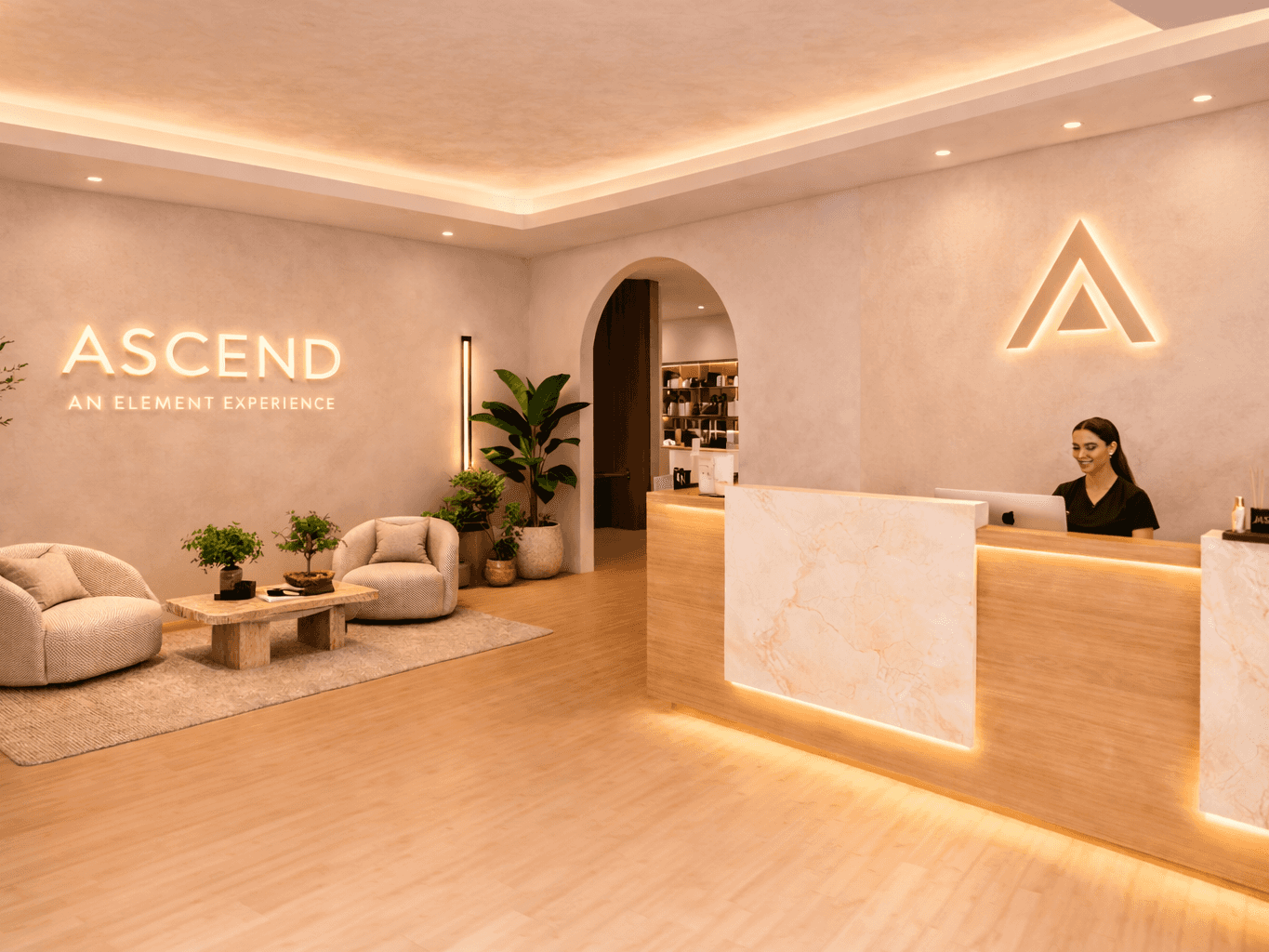
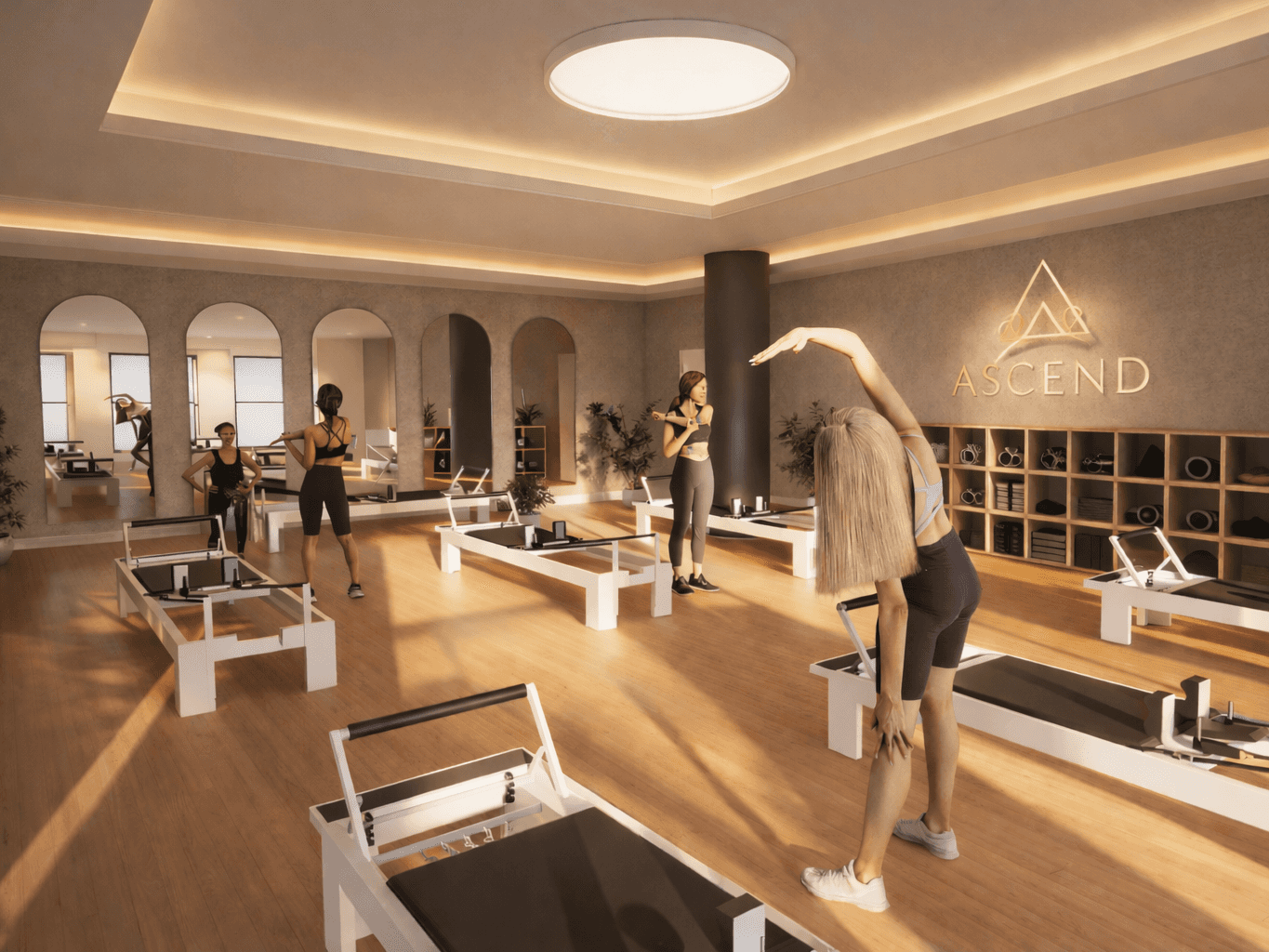
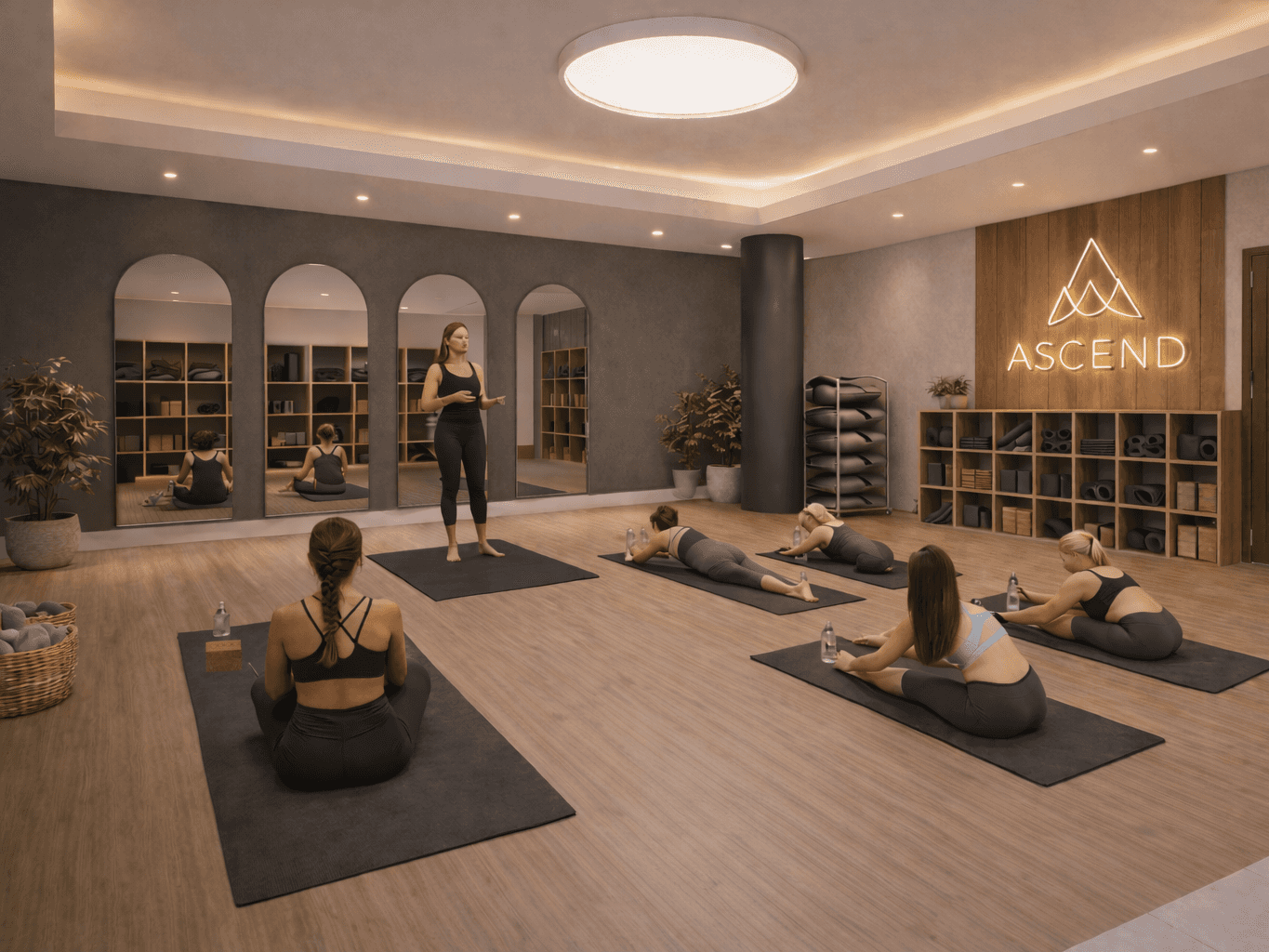
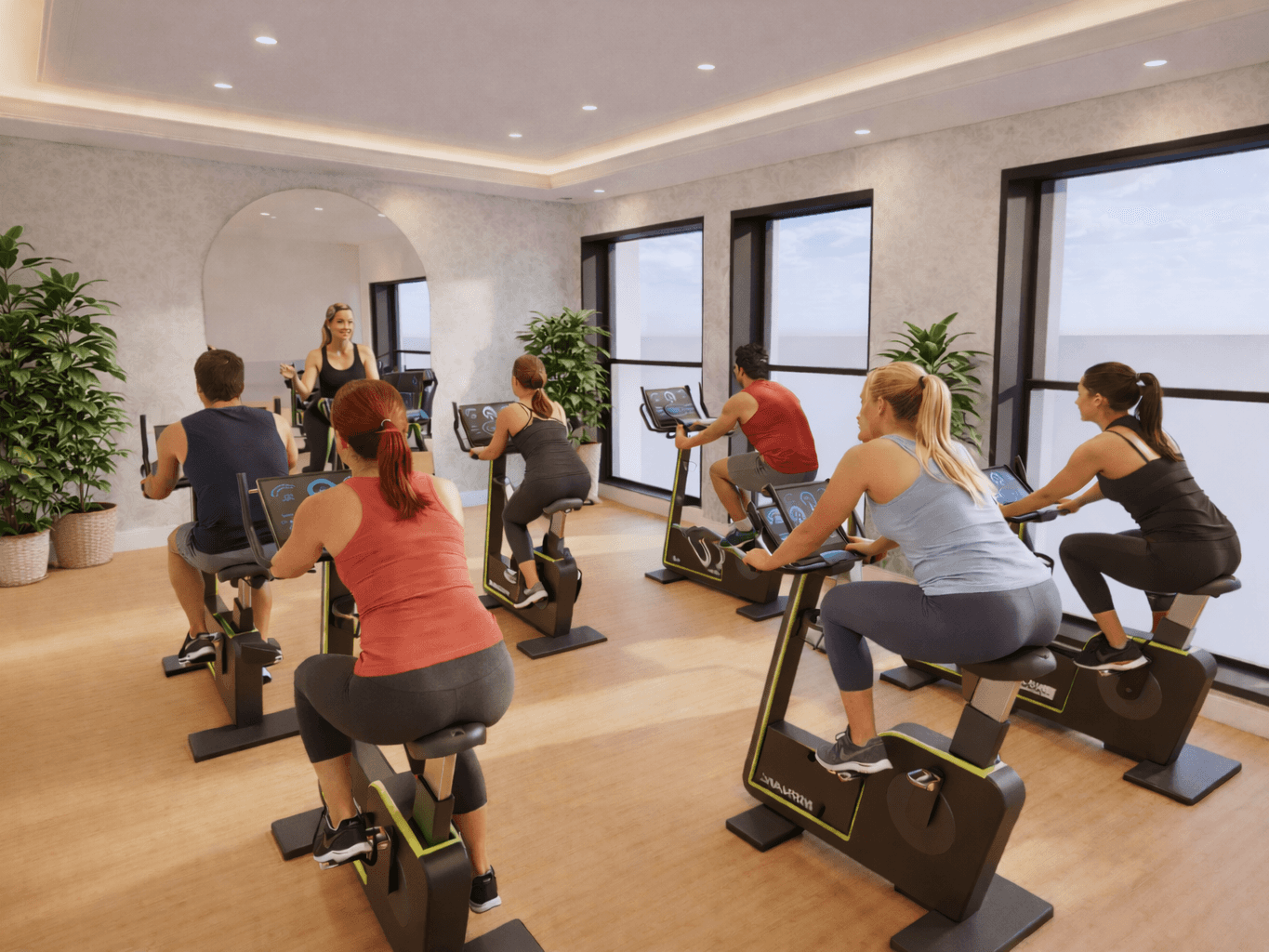
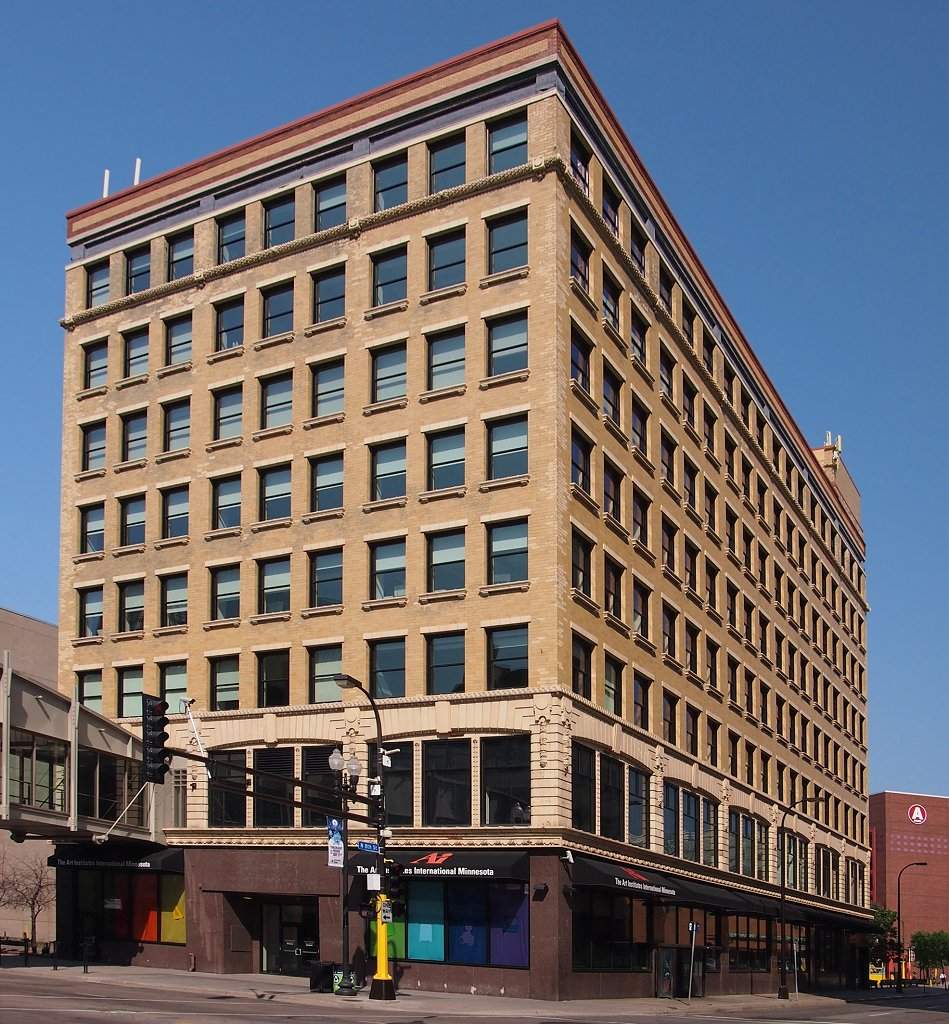
A three-story social wellness building designed around the idea that people recharge through social connection in different ways. Each level corresponds to a distinct personality orientation—extrovert, ambivert, and introvert- and is expressed through a symbolic natural element. The street level, aligned with extroversion, a restaurant by day and a night lounge after hours, is associated with fire. The second floor, designed for ambiverts, draws from earth to create a balanced coworking lounge and cafe. The top level, reserved for introversion and physical wellness, is tied to air.
PROJECT INFORMATION
TIME | SPRING 2026, SENIOR THESIS |
SQUARE FOOTAGE | 30,000 SQ FT |
LOCATION | MINNEAPOLIS, MN |
SOFTWARE | REVIT, ENSCAPE, PHOTOSHOP, AI |
CONCEPT
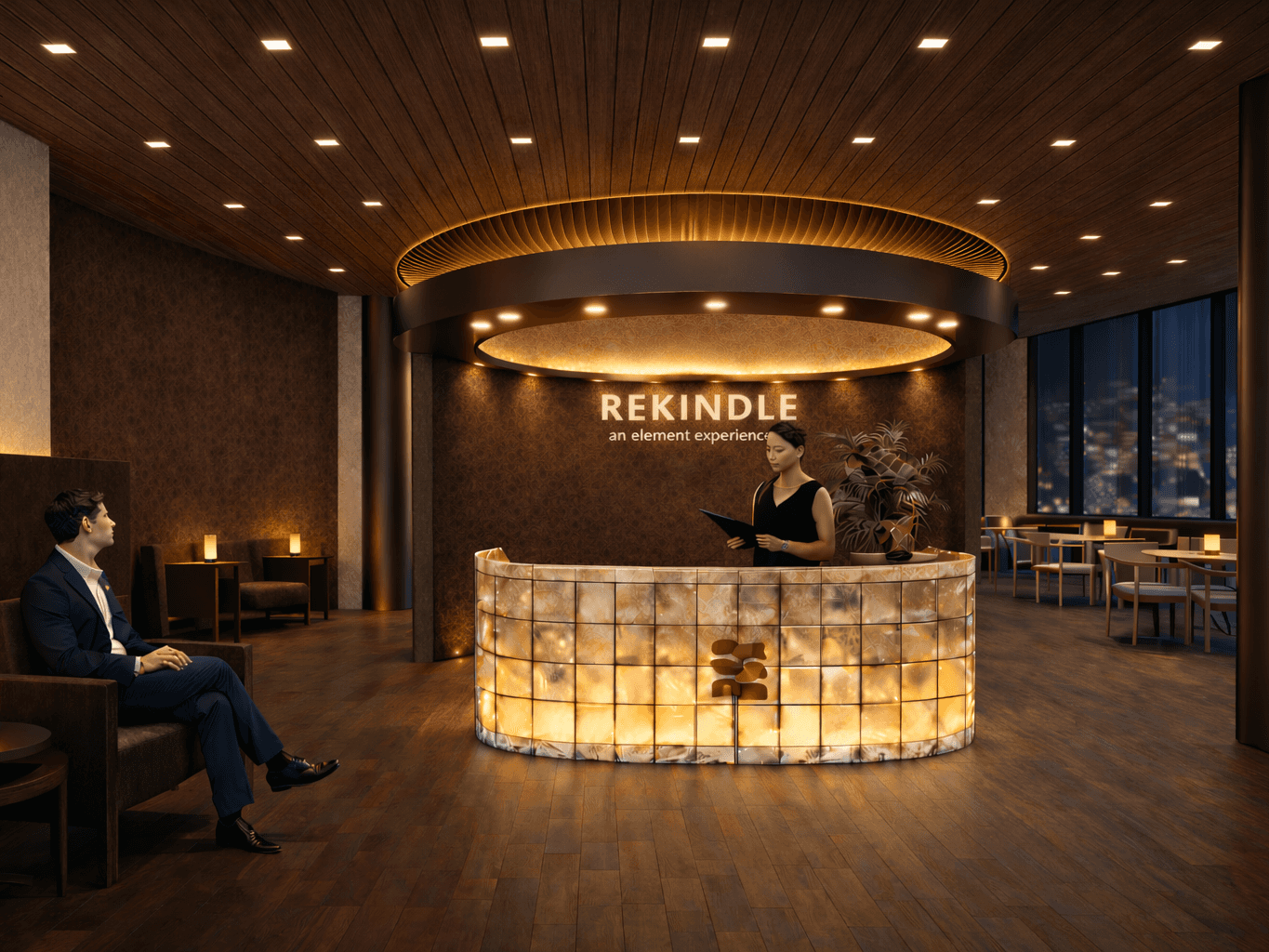
A three-story social wellness building designed around the idea that people recharge through social connection in different ways. Each level corresponds to a distinct personality orientation—extrovert, ambivert, and introvert- and is expressed through a symbolic natural element. The street level, aligned with extroversion, a restaurant by day and a night lounge after hours, is associated with fire and represents social ignition and collective energy, where interaction is lively, visible, and communal. The second floor, designed for ambiverts, draws from water and earth to create a balanced coworking lounge and cafe that supports both movement and stillness, collaboration and retreat. The top level, reserved for introversion and physical wellness, is tied to air, emphasizing lightness, quiet, and spatial openness to support reflection and internal restoration. Grounded in principles of environmental psychology and biophilic design, the building uses elemental qualities—warmth, fluidity, solidity, and lightness—to translate personality needs into spatial experience. Through this vertical progression, Element frames social recharging not as a singular act, but as a spectrum of energy exchange shaped by identity, atmosphere, and sensory condition.









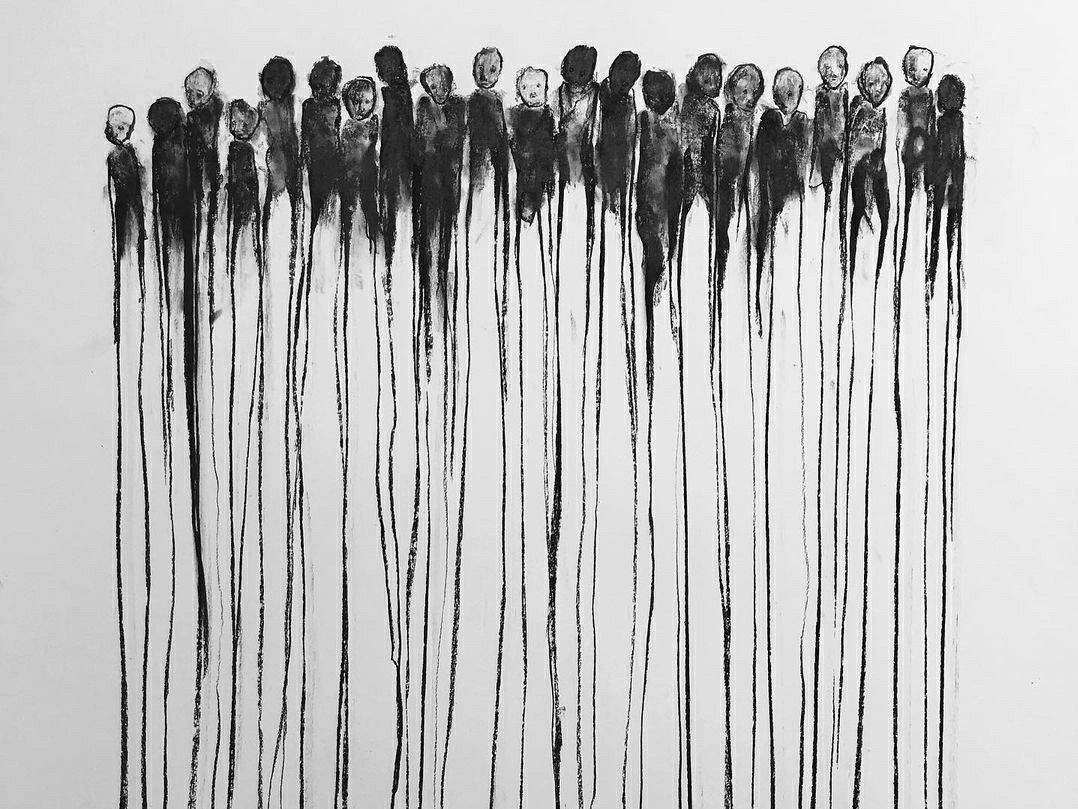
INCLUSIVE
Design spaces that accommodate different personality types, comfort levels, and social needs, ensuring all users feel welcome and supported.
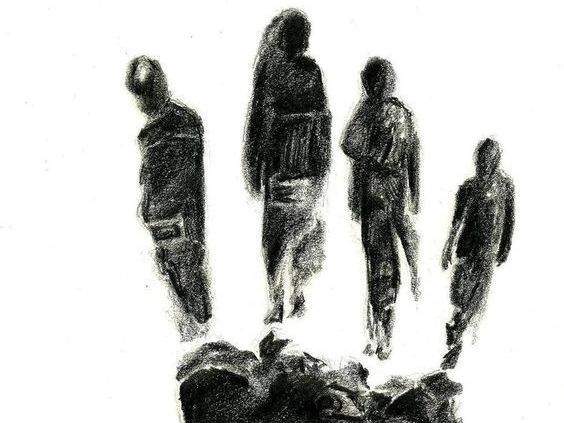
IDENTITY
Use architecture and atmosphere to express distinct spatial characters, allowing users to recognize and connect with environments that reflect their social tendencies.
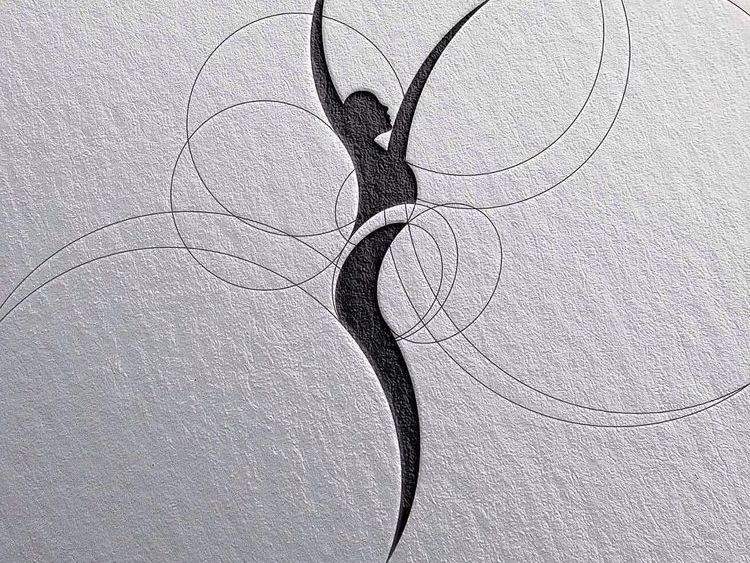
BALANCE
Create harmony between stimulation and calm, openness and enclosure, and interaction and retreat throughout the building.
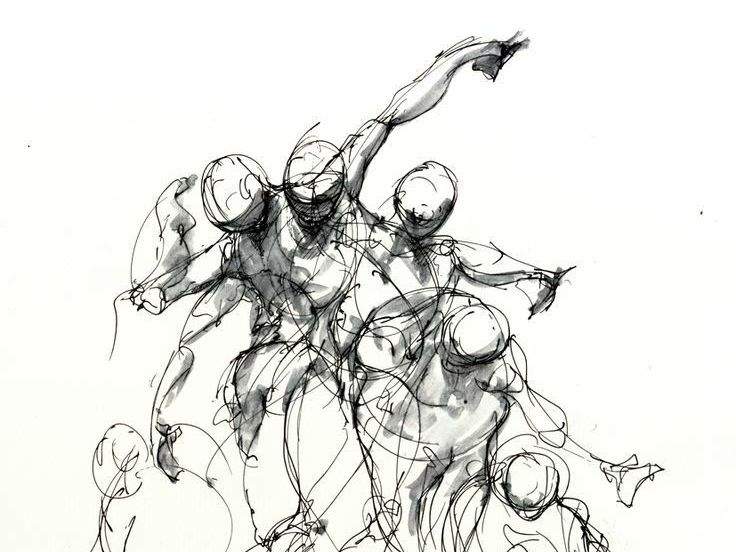
SOCIAL CONTINUUM
Frame social engagement as a spectrum rather than a binary condition, allowing users to move fluidly between collective and individual experiences.